It’s the most common question in South African vehicle security, and it’s usually asked the wrong way around: “Should I get a tracker or an immobiliser?” — as though they’re two versions of the same thing and you must choose.
They’re not the same thing. They don’t even do the same job. And once you understand the difference, the real answer to “which one?” becomes obvious.
The one distinction that matters: prevention vs recovery
Here is the whole article in a sentence:
- An immobiliser prevents the theft — it stops the car from being started or driven away.
- A tracker recovers the car — it does nothing to stop the theft, but helps you find the vehicle afterwards.
One tries to keep your car in your driveway. The other helps you get it back once it’s gone. Confusing the two is how people end up surprised that their tracked vehicle still got stolen — the tracker did exactly what it’s designed to do, which was never to stop the theft.
What a tracker actually does
A tracking unit — Tracker, Netstar, Cartrack and the like — uses GPS and the cellular network to report your vehicle’s location. If the car is stolen, the recovery team uses that signal to locate and, ideally, retrieve it.
Strengths:
- Genuine recovery capability, often with a dedicated response team.
- Frequently a condition of your insurance on higher-value vehicles.
- Useful beyond theft — fleet management, driver behaviour, location history.
Limitations:
- It is recovery, not prevention — by the time it’s helping you, the car has already been taken.
- Ongoing monthly subscription for the life of the vehicle.
- Determined syndicates know to find and jam or remove units, and a Cruiser headed for a border may be gone before recovery begins.
What an immobiliser actually does
An immobiliser stops the vehicle from starting or moving unless the right condition is met. The crude factory versions rely on the key fob — which is exactly what modern electronic theft (key cloning, relay attacks, CAN injection) is built to defeat.
The cleverest modern systems don’t rely on the vehicle’s own wiring at all. Instead of being spliced into the loom where a thief knows to look, they use a smart engine lock that stops the engine from starting, armed and disarmed from a mobile app or an encrypted Bluetooth remote. There’s no code to fumble, nothing obvious to bypass, and — because a good engine lock isn’t mechanically intrusive — a professional fitment is designed to be warranty-friendly.
Strengths:
- Prevention — it stops the theft rather than reacting to it.
- Stops the car being driven off even when thieves defeat the keys (cloning, relay, code-grabbing) — which alarms and trackers can’t.
- A pure immobiliser is often a once-off cost with no monthly fee; warranty-friendly when professionally fitted, since a good engine lock isn’t mechanically intrusive.
Limitations:
- No recovery function — if a vehicle is taken some other way (loaded onto a flatbed, say), an immobiliser alone won’t help you find it.
- Adds a step to starting the car (which is rather the point).
Side by side
| Immobiliser | Tracker | |
|---|---|---|
| Primary job | Prevent the theft | Recover after theft |
| When it acts | Before the car moves | After the car is taken |
| Stops the car being driven away | Yes | No |
| Helps locate a stolen car | No | Yes |
| Cost model | Once-off, incl. install | Upfront + monthly subscription |
| Insurer requirement | Sometimes recognised for discount | Often mandatory |
So which do you need?
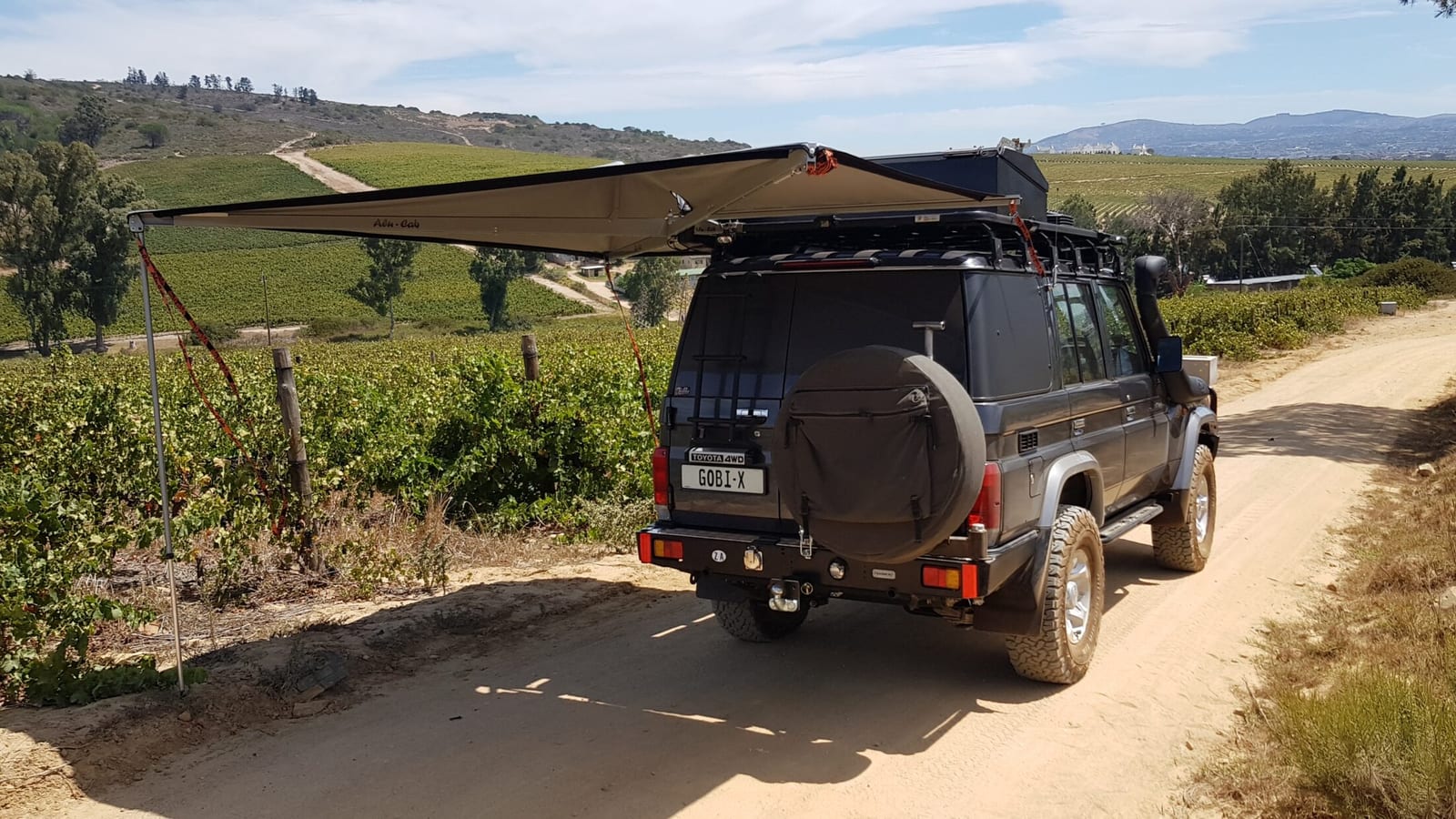
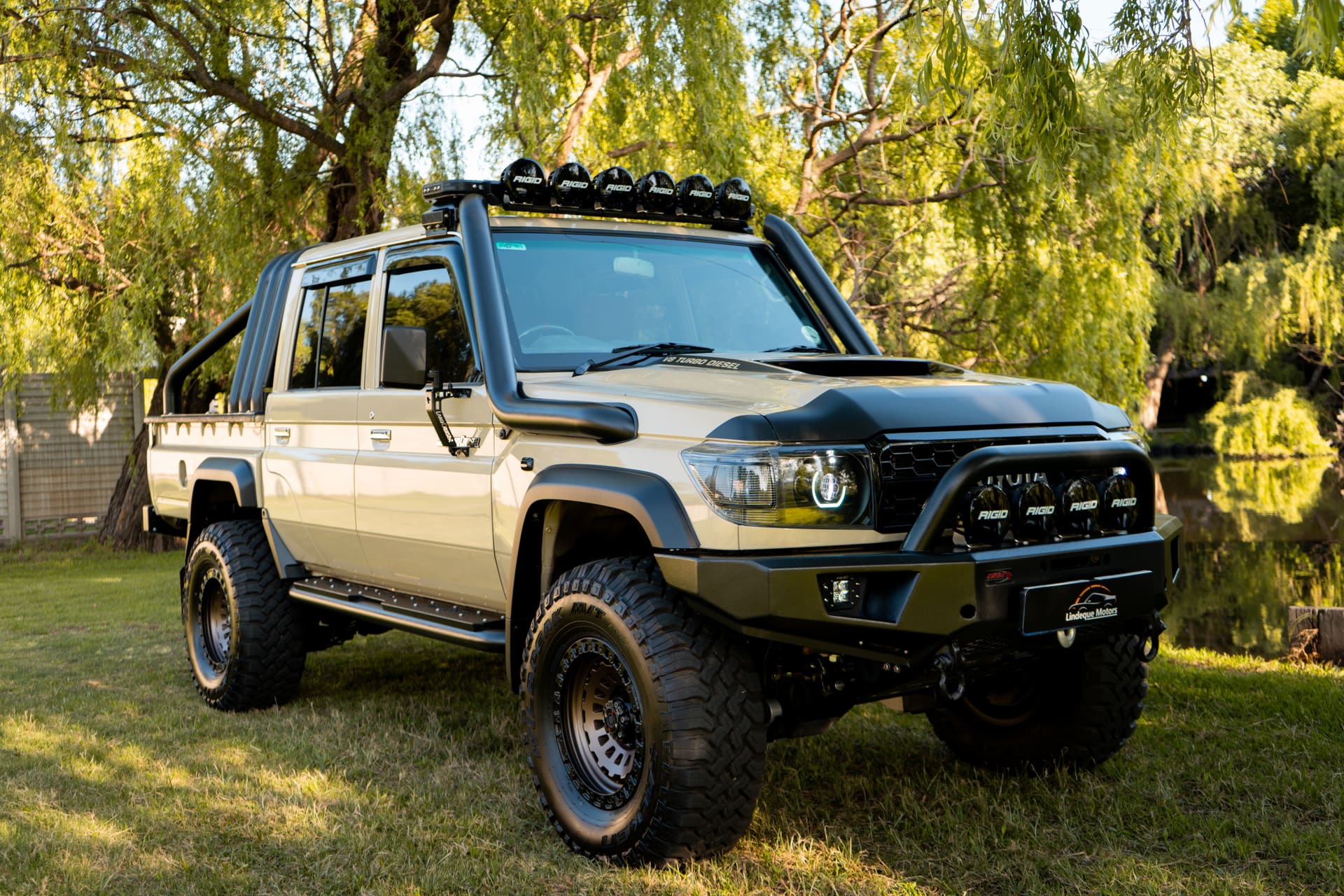
For an ordinary, low-risk car you might reasonably run just the tracker your insurer asks for. But for a high-value, high-theft-risk vehicle — which any Land Cruiser is — the honest answer is both, and in a specific order of thinking:
- The tracker is usually non-negotiable because your insurer requires it. Fit it, and you’ve covered recovery.
- The immobiliser is the layer most owners are missing — and it’s the one that actually tries to stop the theft. On a Cruiser, where stolen vehicles are routinely driven across borders before recovery can happen, prevention is worth more than usual.
If budget forces a sequence: keep the insurer-required tracker, then add an immobiliser as the next upgrade. That combination — recovery you’re obliged to have, plus prevention you’ve chosen to add — is what serious Cruiser owners actually run.
Increasingly, though, you don’t have to bolt two systems together. An all-in-one like Titan Secure combines the prevention of a smart engine lock, the recovery of live GPS tracking (with anti-jamming), and 24/7 armed response in a single device — and it’s recognised by a number of South African insurers, MyToyota Insurance among them, so it can earn its keep on your premium too.
A note on insurance
Both devices can affect your premium. Trackers are frequently mandatory on vehicles above a certain value, and several South African insurers also recognise approved immobilisers — sometimes reducing premiums or relaxing requirements. Before fitting anything, ask your insurer which specific devices and installers they accredit, and keep the certificate. It’s the paperwork that turns a security upgrade into a premium saving.
Our 2 cents
Stop thinking of it as immobiliser versus tracker. It’s immobiliser and tracker — prevention and recovery — because they guard different moments in the same problem. On a vehicle as sought-after and as exportable as a Land Cruiser, the prevention layer is the one most people are missing, and the one most worth adding.