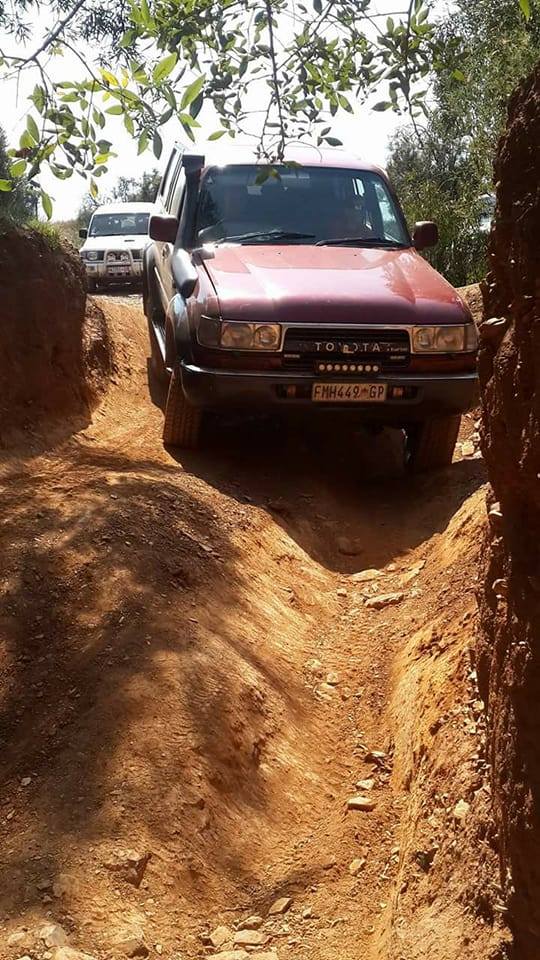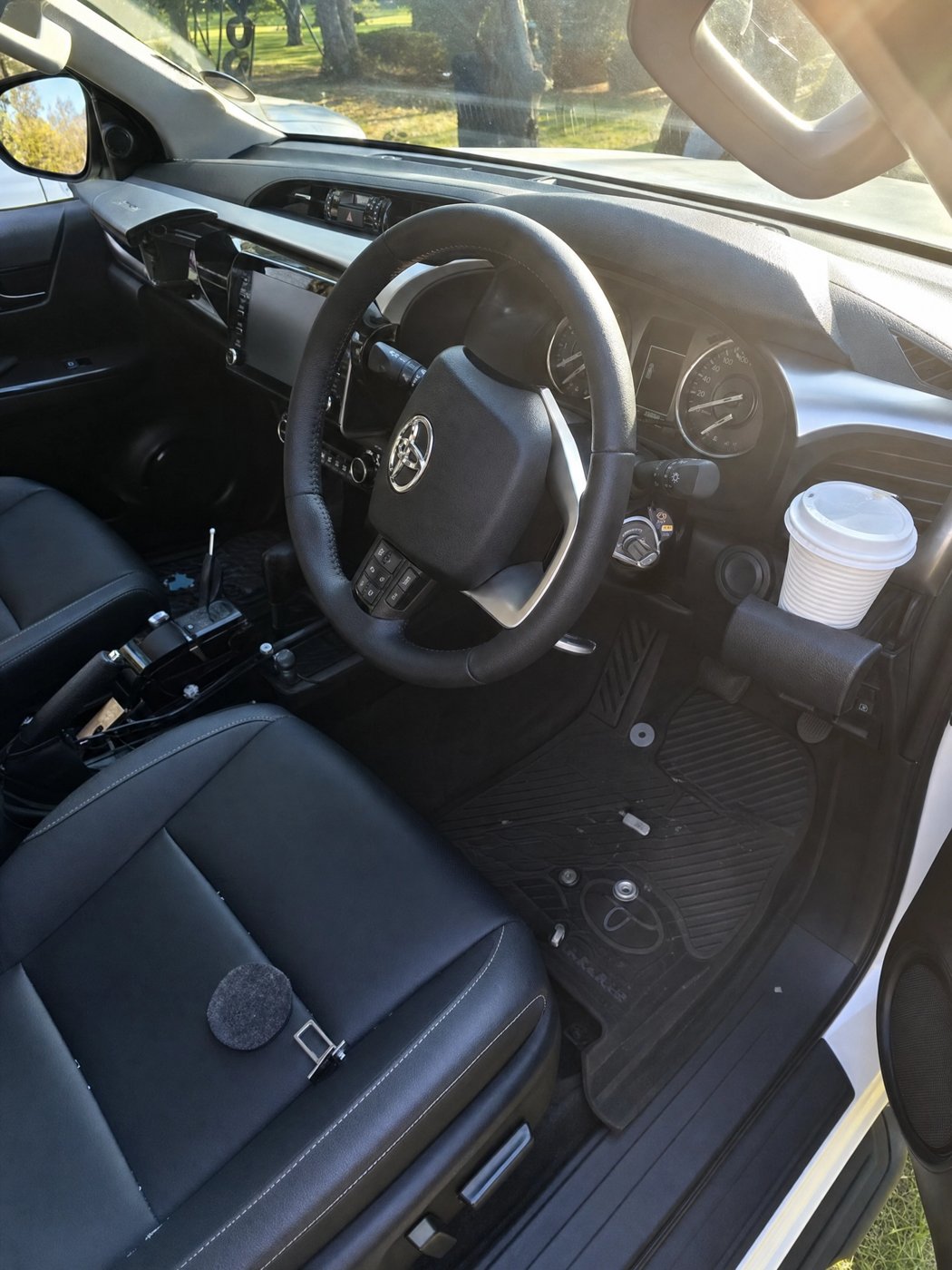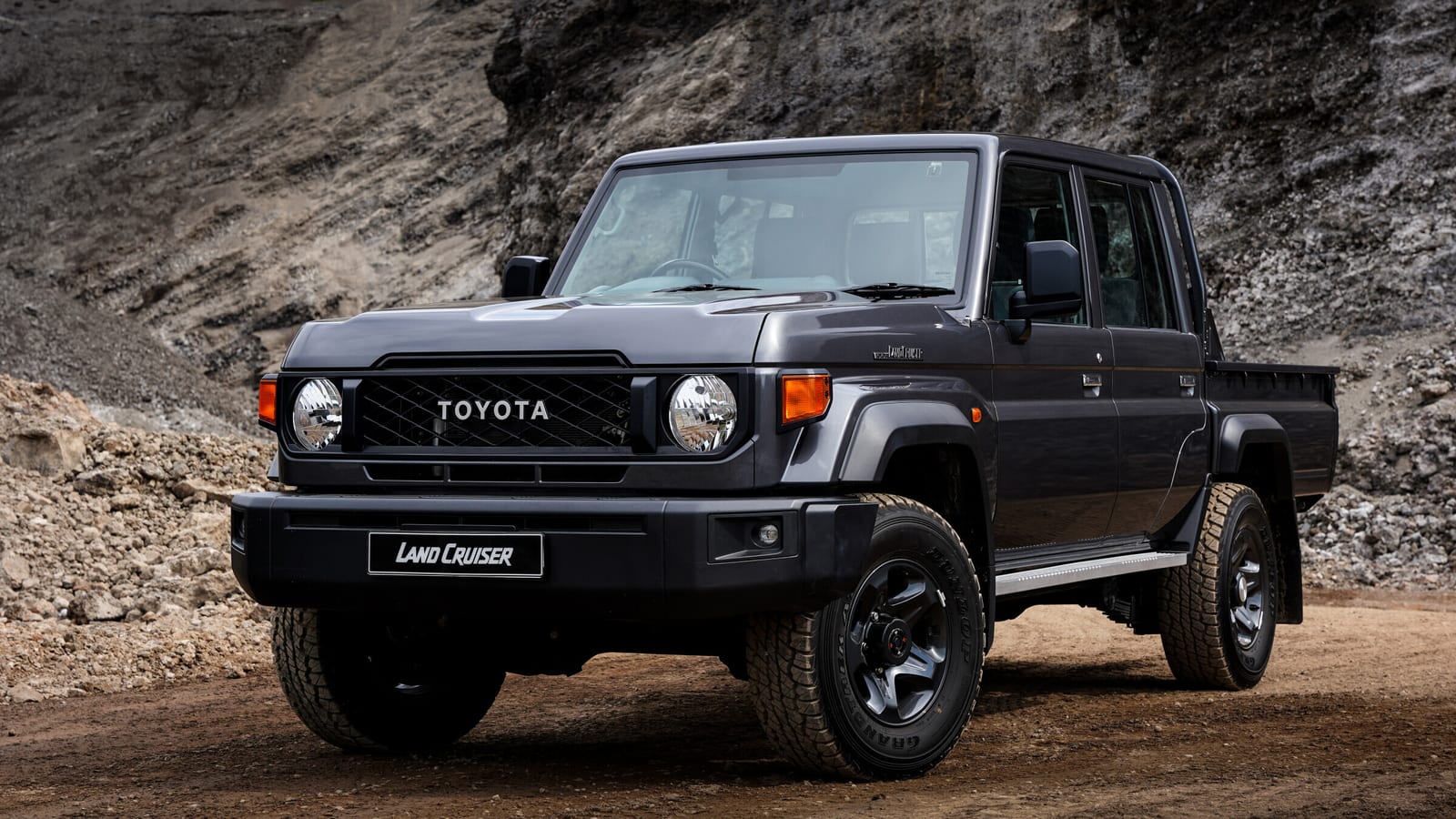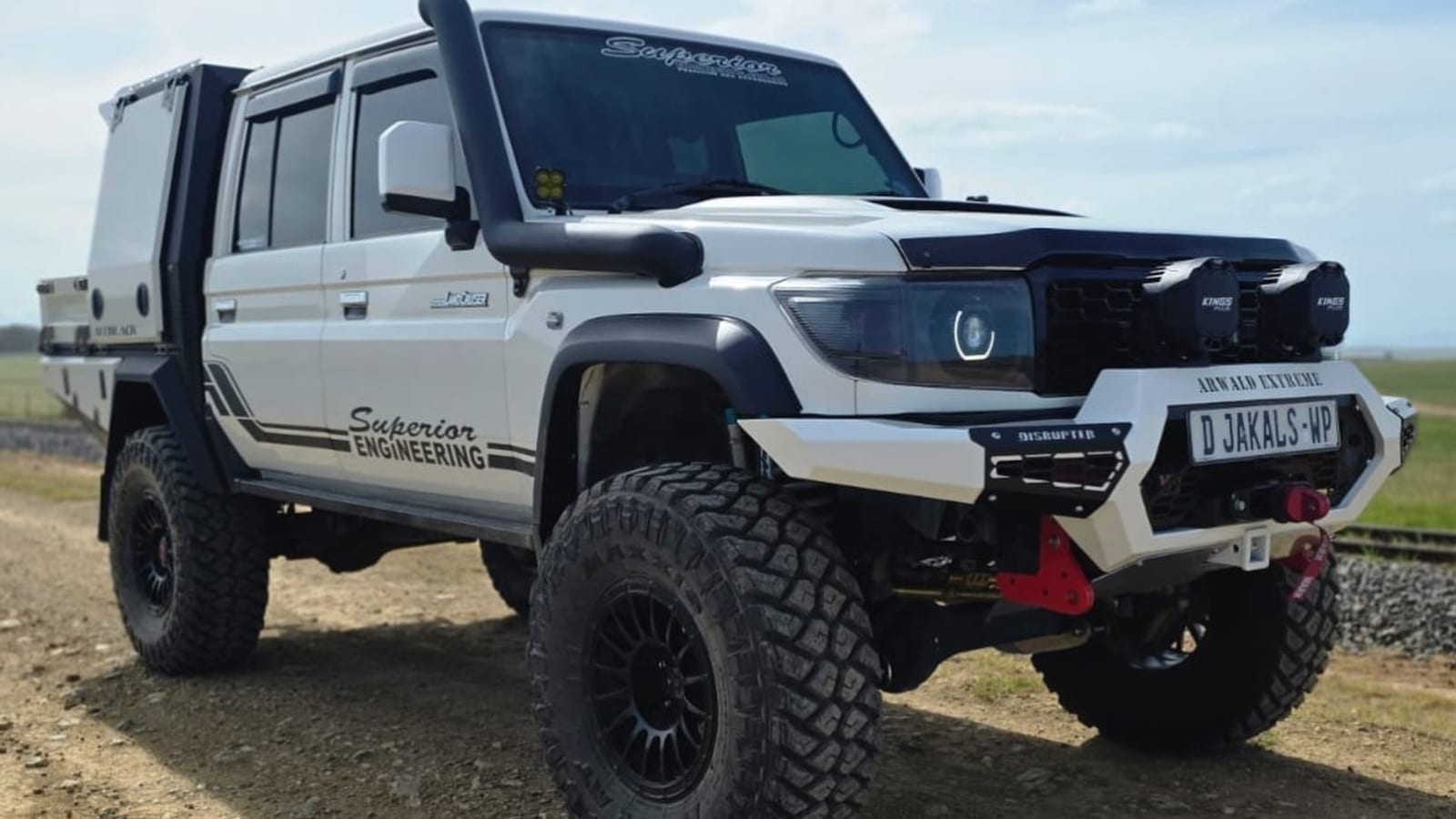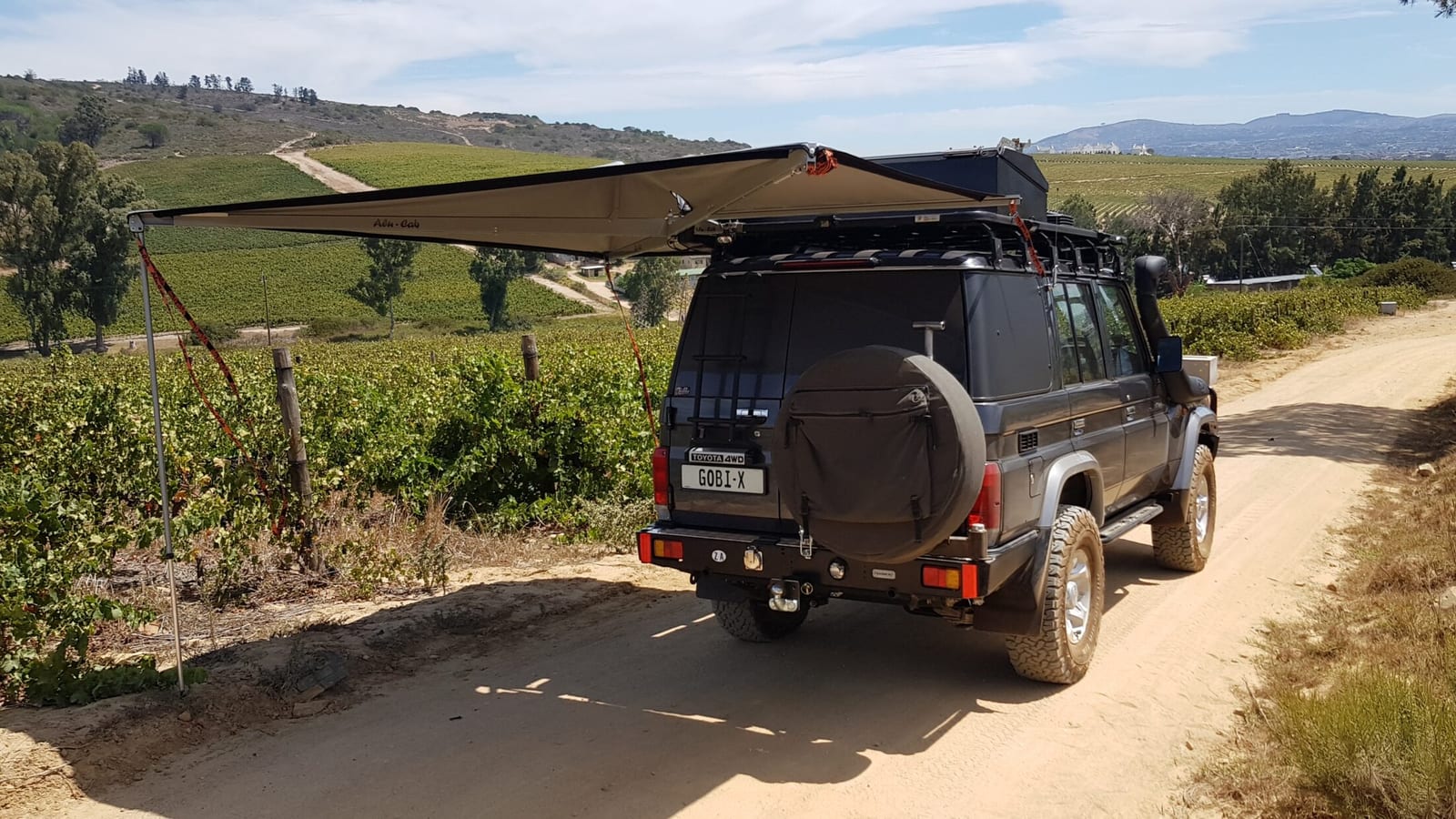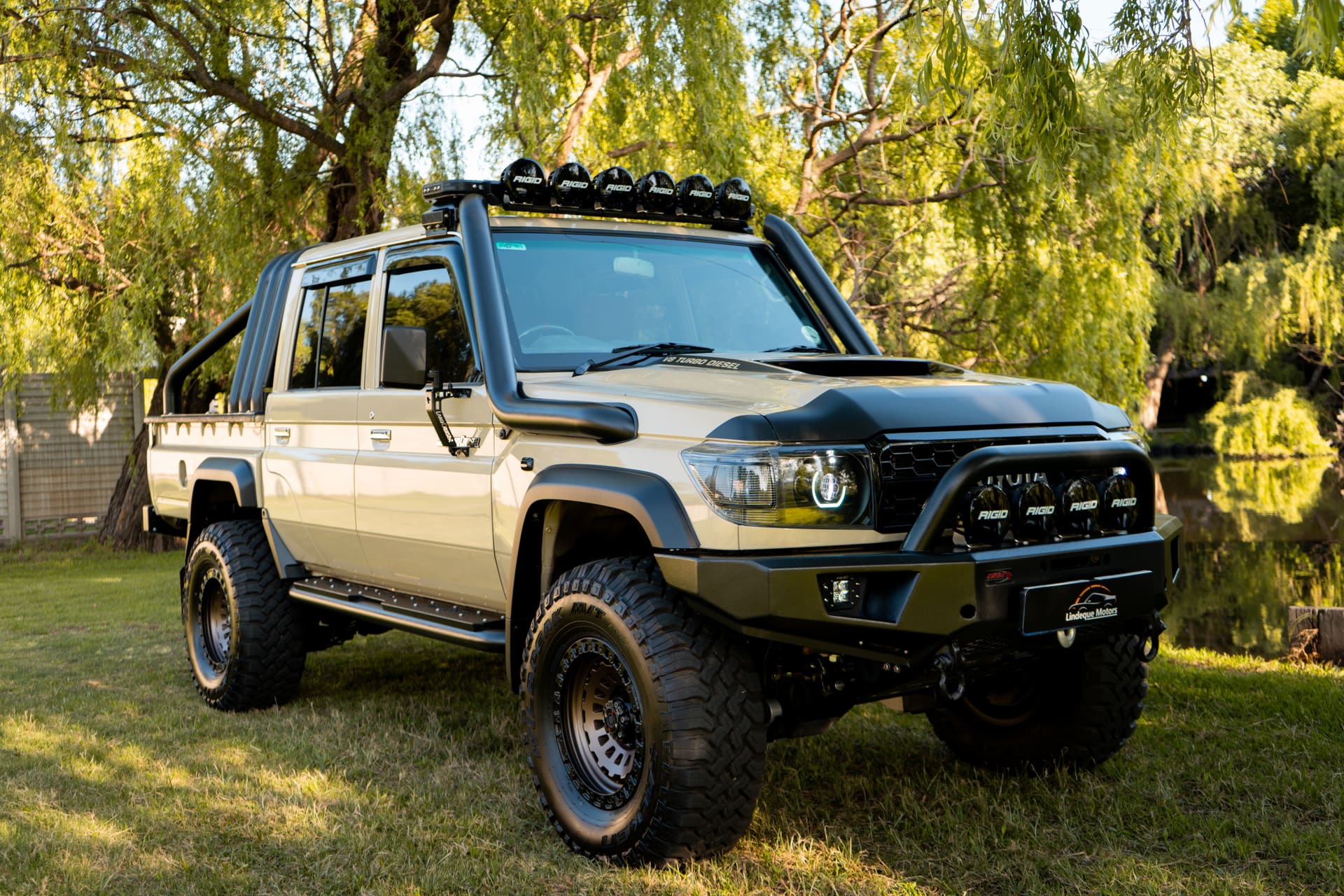
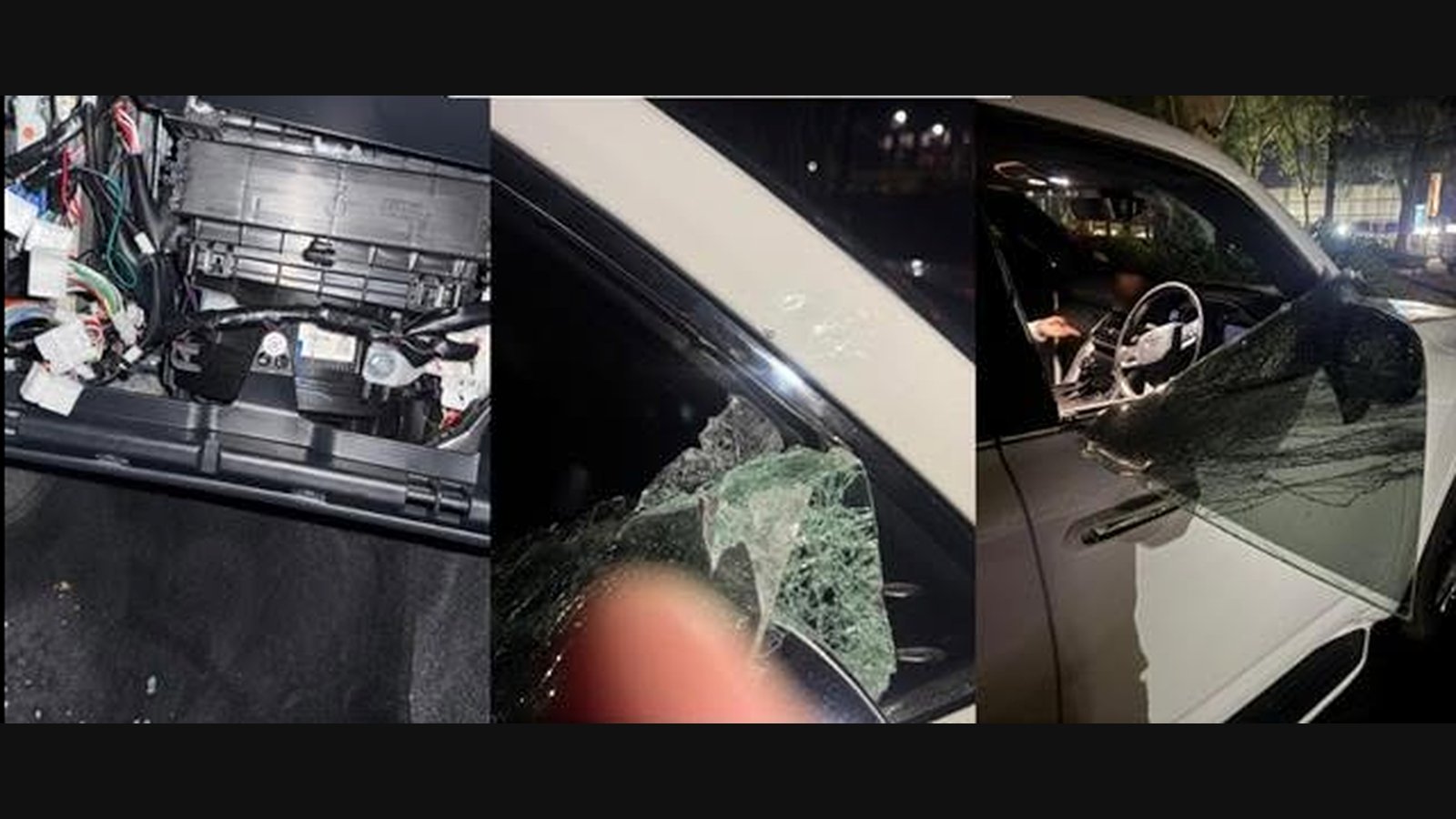
If you own a Land Cruiser in South Africa, you already know the uncomfortable truth: the same qualities that make it the best vehicle on the continent — bulletproof reliability, go-anywhere capability, and a resale value that refuses to die — are exactly the qualities that put it near the top of every thief’s shopping list.
This is not scaremongering. It is arithmetic. So before we talk about how to protect your Cruiser, it’s worth understanding precisely why it’s a target and how the theft actually happens — because the protection that works follows directly from that.
Why the Land Cruiser is a target
South Africa averages in the region of 60 hijackings a day, and the most-targeted list reads like a Toyota price list: the Hilux sits at the top, with the Fortuner, Land Cruiser and Prado all featuring prominently year after year.
The reasons are depressingly logical:
- Resale value. A Cruiser holds its money better than almost anything on four wheels. That works for you when you sell — and for a syndicate when they do.
- Parts demand. A stripped Cruiser is worth a fortune in panels, drivetrain and electronics. The same parts scarcity that frustrates owners makes a stolen vehicle lucrative.
- Cross-border demand. This is the big one for the 70-Series in particular. There is enormous demand for Land Cruisers in Mozambique, Eswatini, Zimbabwe and further north, and a stolen Cruiser can be over a border within hours.
In other words, your Cruiser isn’t being stolen by an opportunist who wants a joyride. For the most part it’s being stolen to order, by people who know exactly what it’s worth. That changes how you defend it.
How vehicle theft actually works now
The hot-wire era is long gone. Modern vehicle theft falls into a few broad categories, and understanding them is the whole game:
- Hijacking — the violent, opportunistic version. It happens at your gate as you wait for it to open, at intersections, at filling stations, and at quiet driveways. The thief uses your running vehicle and your key.
- Key cloning and relay attacks — electronic theft that copies or relays the signal from your key fob, often while the key sits on the kitchen counter, allowing the vehicle to be unlocked and started without ever touching the original.
- CAN injection — the newest and most sophisticated method, where thieves access the vehicle’s data network (often via a headlight or wing-mirror connector) and inject commands that tell the car the correct key is present.
Notice what these have in common: a traditional alarm screaming in a parking lot does nothing to stop any of them, and a steering lock only slows down the crudest. The threat has moved to the electronics — so the most effective modern defence lives there too.
Defence in depth: the layers that work
There is no single silver bullet. What actually protects a Cruiser is layers — making your vehicle enough of a problem that a syndicate moves on to an easier target, and giving you a way to recover it if they don’t.
Layer 1 — Visible deterrents
Gear locks, wheel clamps and the like. They won’t stop a determined syndicate, but they raise the time and effort cost, and against an opportunist they genuinely help. Treat them as the first speed bump, not the wall.
Layer 2 — Tracking and recovery
Tracker, Netstar, Cartrack and similar units help locate and recover a vehicle after it’s been taken, and are frequently a condition of your insurance. This is your safety net. But be clear about what it is: recovery, not prevention. A tracker tells you where your Cruiser is going — it doesn’t stop it leaving.
Layer 3 — Immobilisation and active response (the prevention layer)
This is where modern theft is actually defeated. An immobiliser stops the vehicle from being driven away — and the most capable modern systems go further, rolling prevention, tracking and armed response into a single device.
Take a system like Titan Secure: at its heart is a patented smart engine lock that stops the engine from starting, so a thief simply can’t drive the vehicle away — and if it’s already moving, as in a hijacking, a remote fuel-cut can bring it to a controlled stop while alerting a response team. The engine lock isn’t mechanically intrusive, so it’s designed to be warranty-friendly. On top of that it layers live GPS tracking with anti-jamming, AI-powered tamper and jamming detection that flags an attack early, and an SOS panic button wired to 24/7 armed response. You arm and disarm it from a mobile app, an encrypted Bluetooth remote, or the call centre.
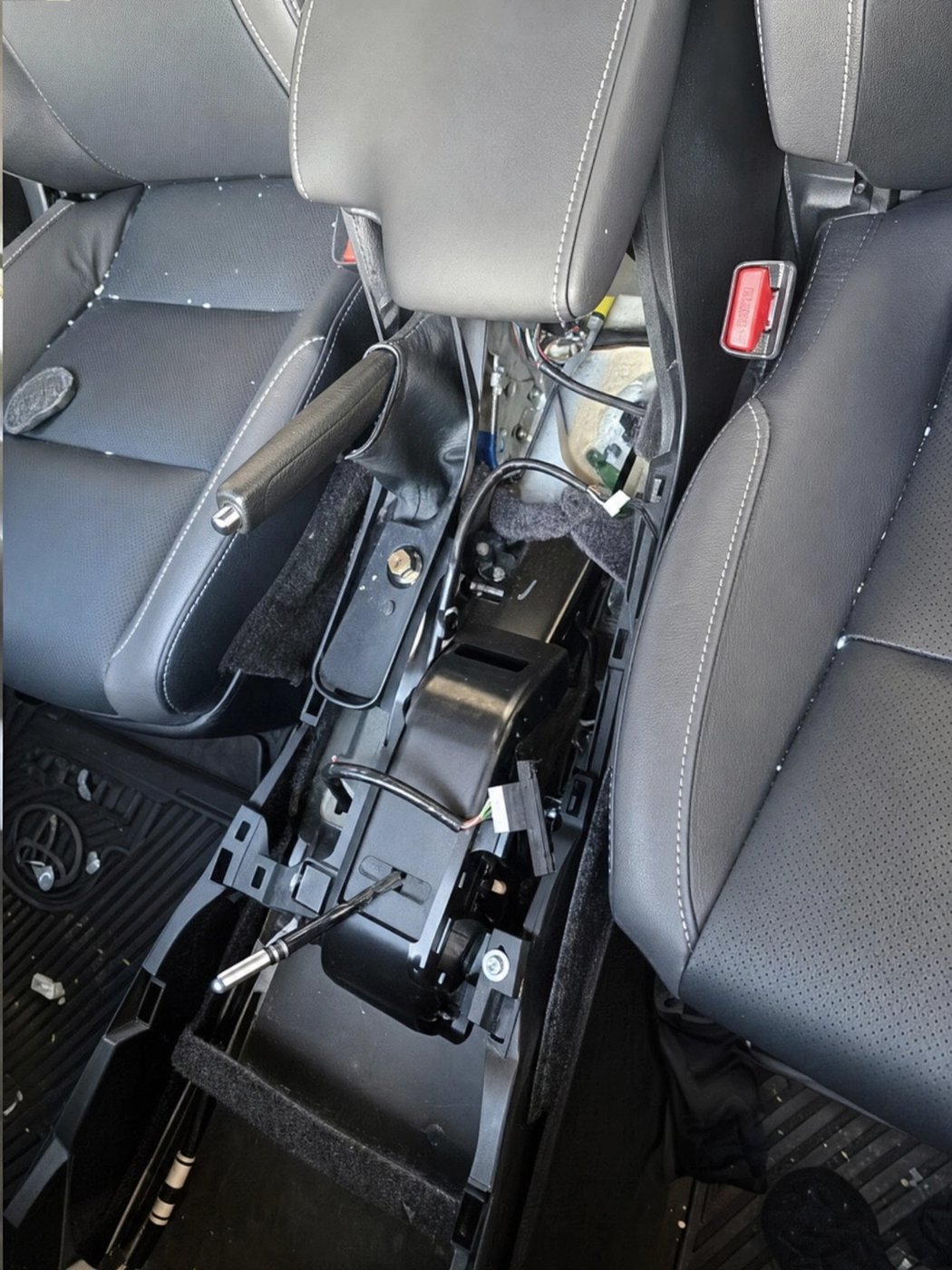
What makes this compelling for Cruiser owners specifically:
- Two layers in one — the prevention of an immobiliser and the recovery of a tracker, plus active response, in a single system.
- Built for the modern threat — jamming detection and AI tamper alerts answer exactly the electronic attacks described above.
- Insurance savings — Titan is recognised by a string of South African insurers (MyToyota Insurance among them), which can translate into a lower premium.
It is, bluntly, the layer that most directly answers the way Cruisers are actually being hijacked today.
Layer 4 — Habits and situational awareness
The cheapest layer, and the one people skip. Most hijackings happen in predictable places: your own gate, intersections, and quiet stops. Vary your routine, leave space to escape at robots, approach your gate only once it’s open, and be especially alert in the last hundred metres home. No device replaces paying attention.
How the layers fit together
If you take one thing from this guide, take this: a tracker and an immobiliser are not alternatives — they’re partners. (Confused about which does what? See our dedicated breakdown: immobiliser vs tracker.)
- The immobiliser is your prevention. It makes the vehicle a problem to steal in the first place.
- The tracker is your recovery and your insurance compliance. If the worst happens, it’s how you get the Cruiser back.
Run both — or fit a single all-in-one system that does both, like the one above — add the cheap visible deterrents, fix your habits, and you’ve moved your vehicle from “stolen to order” to “more trouble than it’s worth.” That is the entire objective.
The insurance angle worth knowing
Several South African insurers recognise approved immobilisers and tracking units, and may reduce your premium or relax their requirements when you fit one. The major device brands actively pursue this insurer recognition for exactly that reason. Before you fit anything, ask your insurer which devices they accredit, fit an accredited unit through an approved installer, and keep the installation certificate on file — it’s the paperwork that turns a security upgrade into a premium saving.
Our 2 cents
A Land Cruiser is a long-term relationship, often a multi-generational one. Spending a few thousand rand once to keep it in the family — against a vehicle worth many hundreds of thousands and effectively irreplaceable at today’s prices — is one of the easier sums in Cruiser ownership.
Get the layers right: deter the opportunist, immobilise against the syndicate, track for recovery, and drive like you know you’re a target. Because in South Africa, in a Land Cruiser, you are.