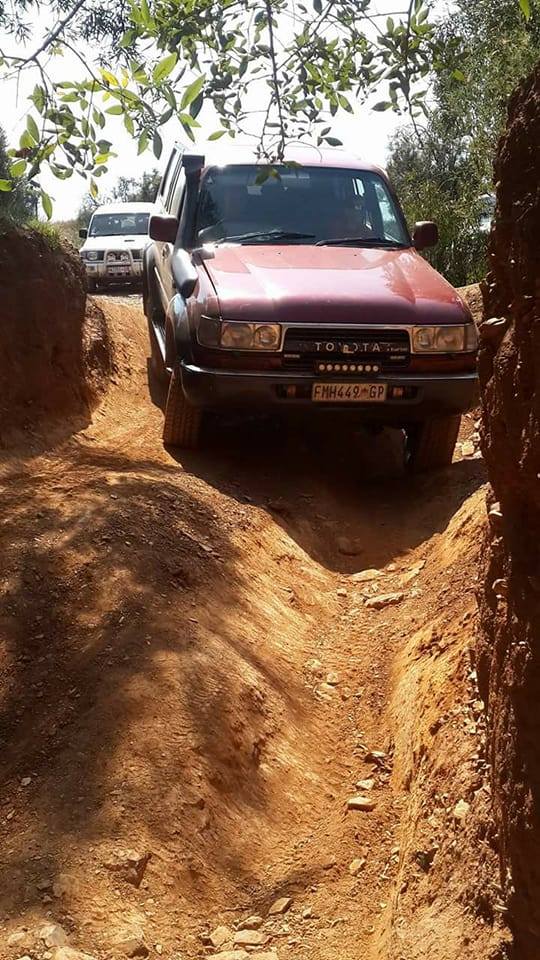
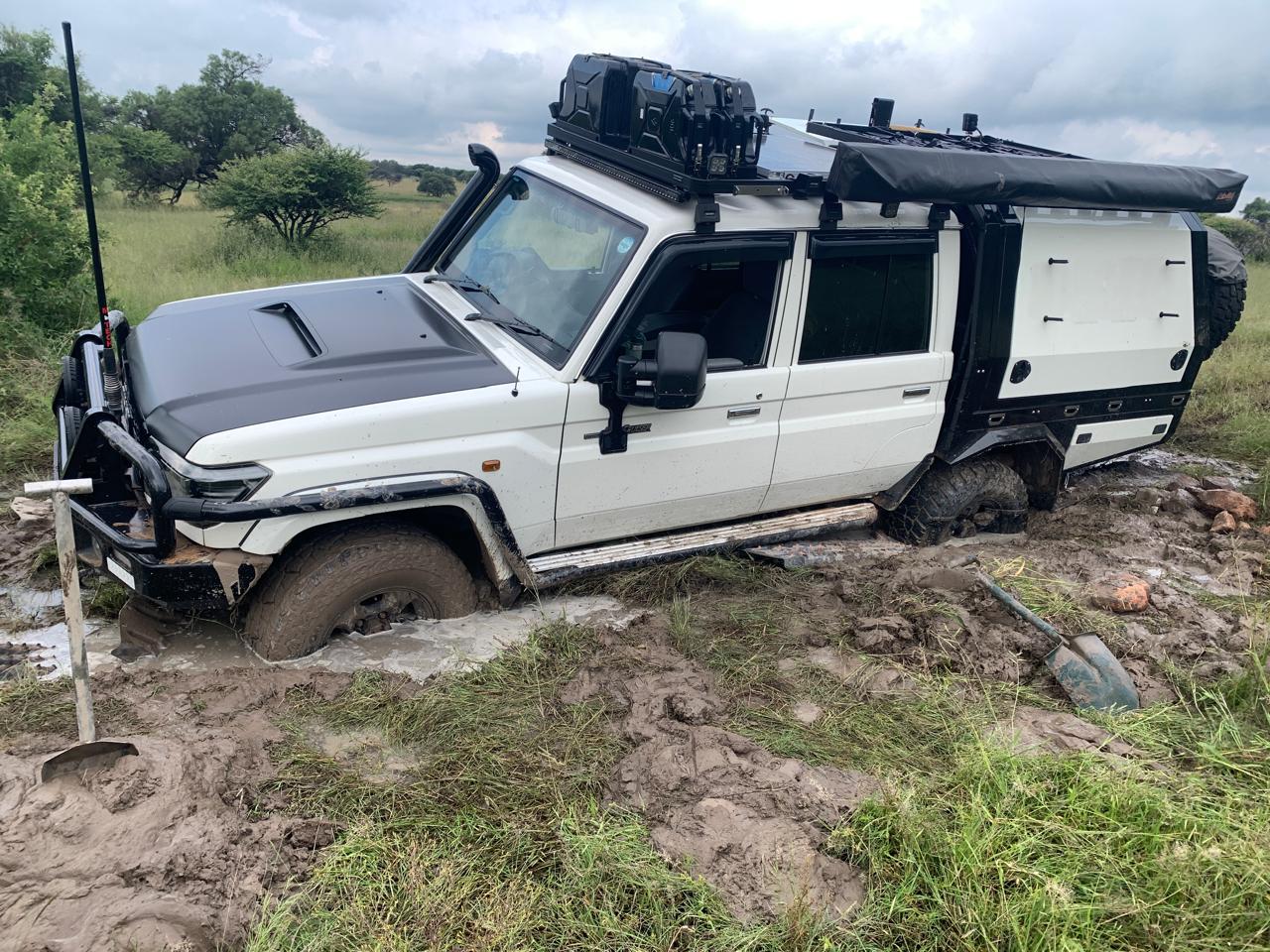
Off-roading is an adventure — but getting stuck is part of the experience. What separates a good overlander from a bad one isn’t whether they get stuck, it’s how confidently they get out.
This guide covers the three most common recovery scenarios you’ll face in South Africa: sand, mud, and winching.
Assess the Situation
Before you grab a shovel or hook up a strap, stop and think. Rushing a recovery is how you snap shackles, injure people, and make things significantly worse.
- Turn off the engine if the vehicle is sinking
- Check for hazards — steep drops, water depth, unstable ground
- Figure out the exit route before you start pulling
- Brief everyone around the vehicle and keep bystanders well back
Sand Recovery: Getting Out of Soft Terrain

Sand is the most common recovery situation in South Africa, and also one of the most preventable.
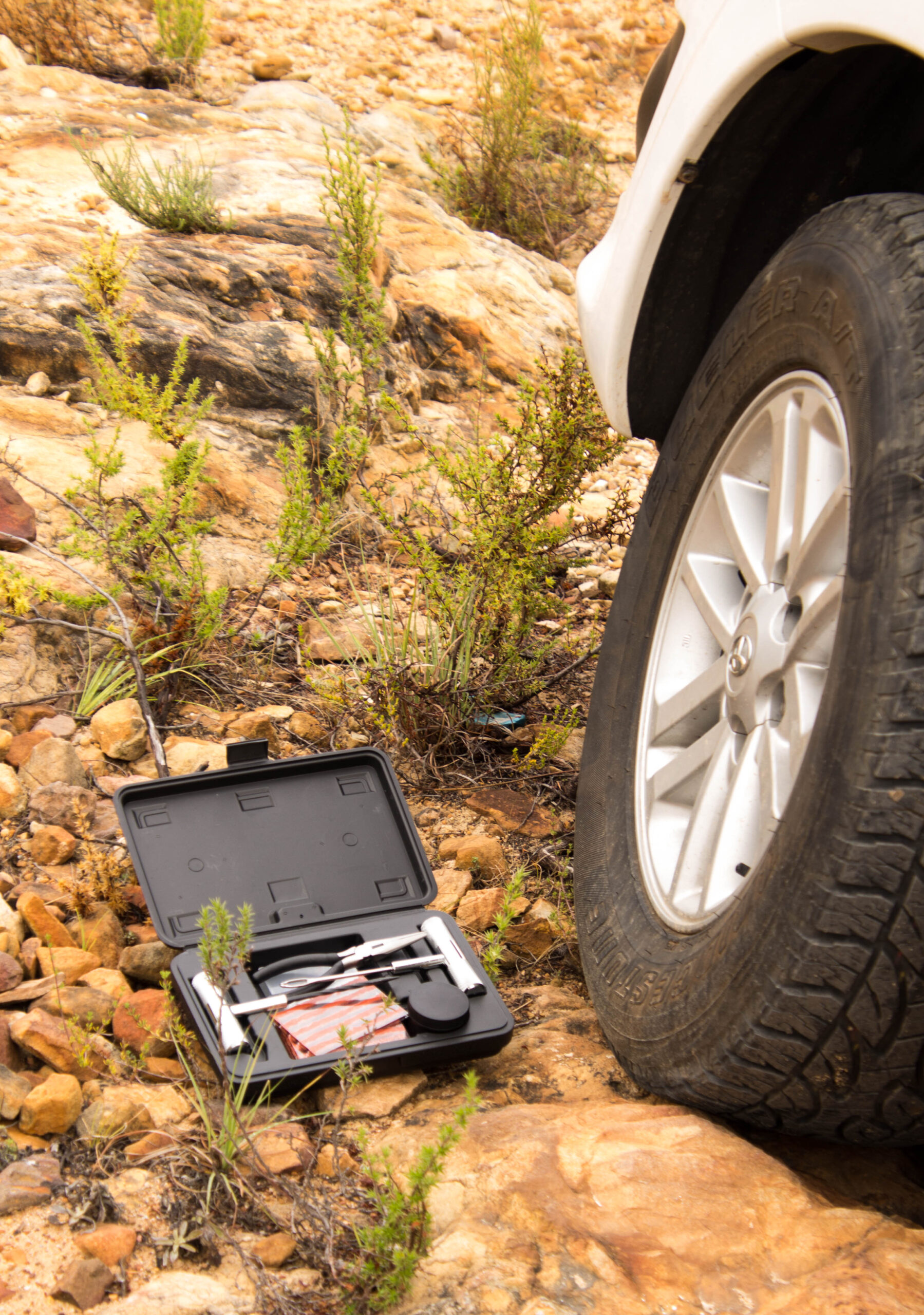
Prevention first: Drop your tyre pressure before you hit soft sand. 1.2–1.4 bar is a good starting point for most Land Cruisers. Lower if needed. An onboard compressor makes re-inflation easy — it’s essential kit.
If you’re stuck:
- Don’t spin the wheels. You’re digging yourself in.
- Clear sand from in front of all four tyres with a shovel.
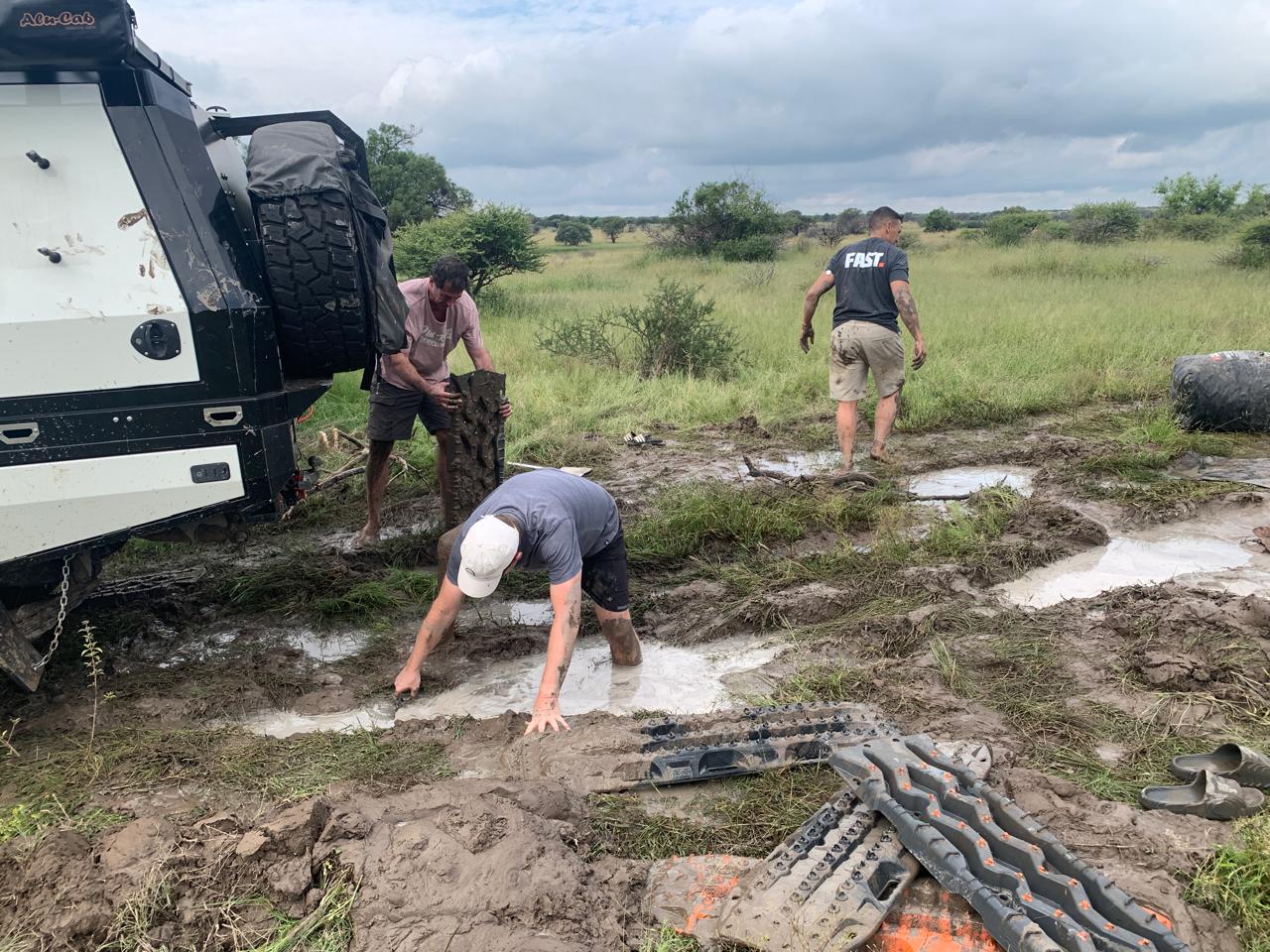
- Lay your sand tracks (MaxTrax or similar) in front of the drive wheels.
- Select low range, second gear, and drive out slowly and smoothly. No throttle mashing.
- If that doesn’t work, deflate further and try again before reaching for a tow strap.
Mud Recovery: Escaping the Slop
Mud is more unforgiving than sand. It can set like concrete overnight and suction-cups itself to your tyres.
If you’re stuck:
- Try rocking — reverse a short distance, then forward. Don’t spin.
- Jack up the bogged wheel if you have a hi-lift or air jack. Pack the hole with branches, rocks, or your recovery boards.
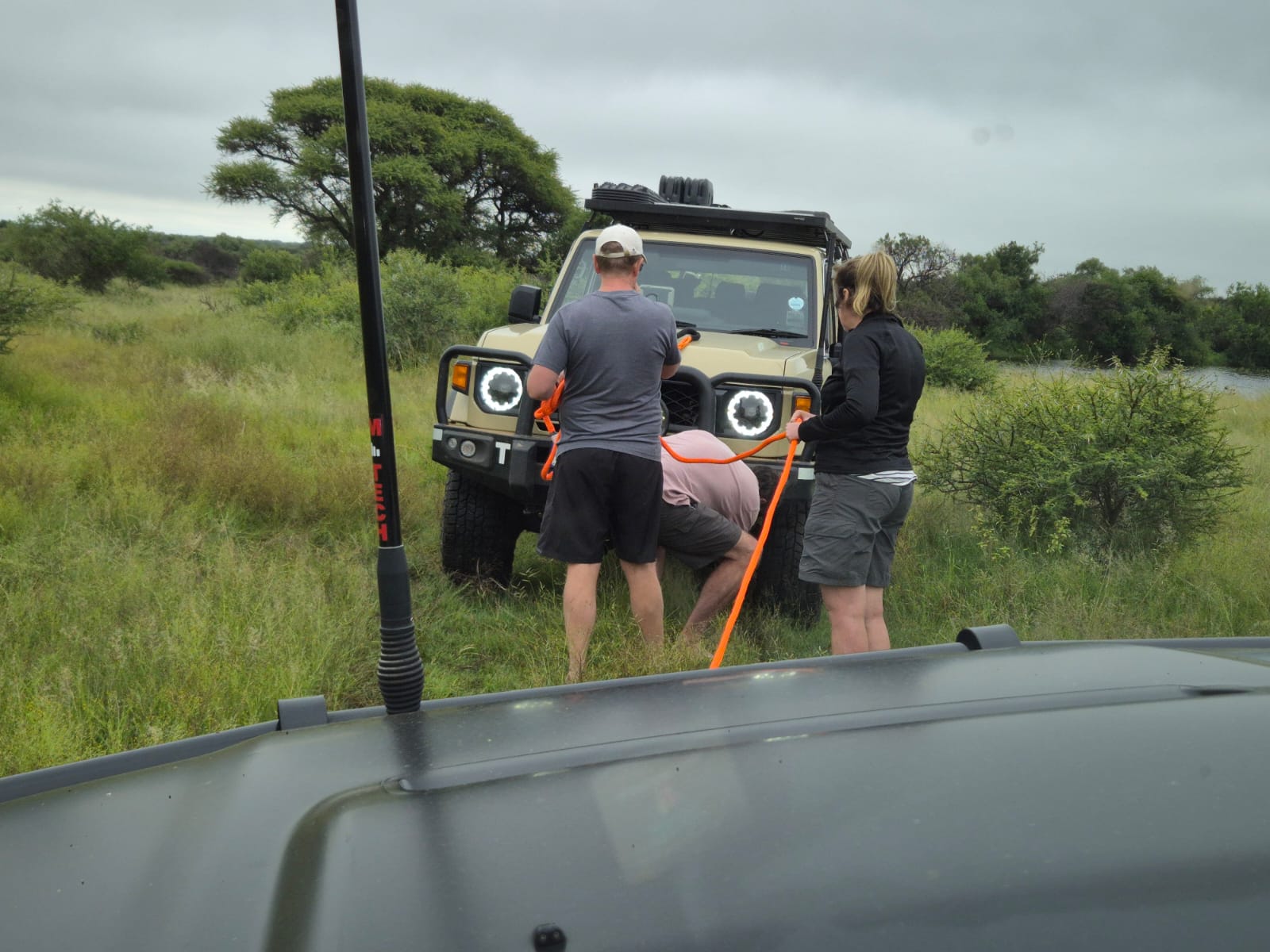
- Attach a snatch strap to a solid recovery point (not a tow ball). Never jerk a snatch strap — let the elasticity do the work with a rolling recovery vehicle.
- Dig a channel for the exhaust if it’s submerged — a blocked exhaust will kill the engine.
Winching: Safe and Effective Vehicle Recovery

A winch is not a shortcut — it’s a precision tool that demands respect.
- Always use a tree trunk protector around any anchor point. Never wrap a strap directly around a tree or you’ll kill it.
- Drape a dampener (or a heavy jacket) over the centre of the winch cable. If the cable snaps, it won’t travel as far.
- Keep the rope/cable layered neatly on the drum — bunched cable reduces pulling power.
- Stand to the side, never in line with the cable under tension.
- Use a snatch block to double your pulling power and change direction.
Winch line ratings: Your winch is rated at maximum on the first layer of rope. Each additional layer reduces capacity by roughly 15%.
Safe and Effective Towing Recovery
A snatch strap recovery is the fastest way out when you have another vehicle available.
- Use rated recovery straps only — never a tow rope (no elasticity = shock loads that can break chassis mounts).
- Attach to proper recovery points, not bumpers or tow balls.
- The recovering vehicle should move at a slow, steady speed. The goal is momentum, not speed.
- Agree on signals with both drivers before you start.
General Off-Road Recovery Safety Tips
- Carry more than one type of recovery gear. Boards, strap, hi-lift, and a shovel cover most scenarios.
- Let someone know your route and expected return time before you go out.
- Practise your recoveries at home before you need them in the field.
- A 4x4 recovery course is the single best investment you can make. We run one — R4,250 per person, full day, lunch included.