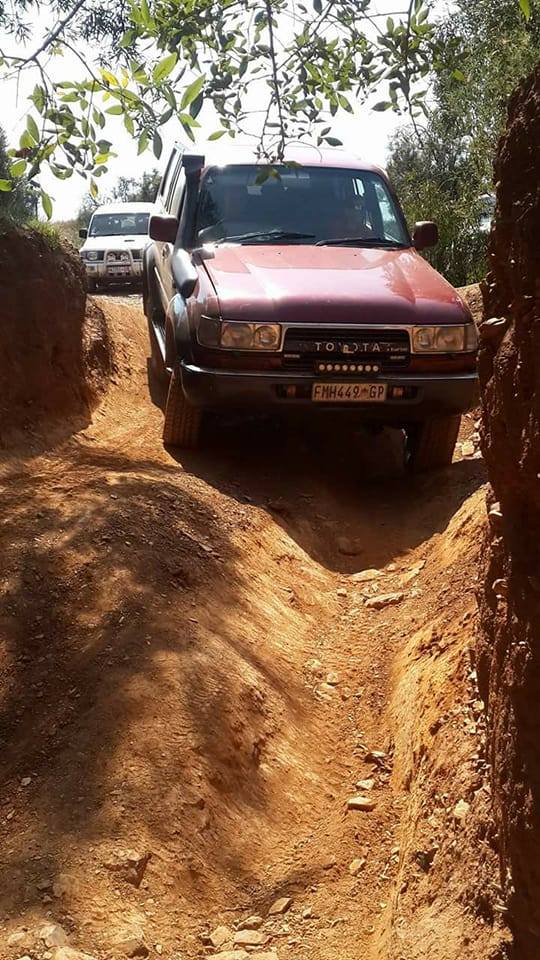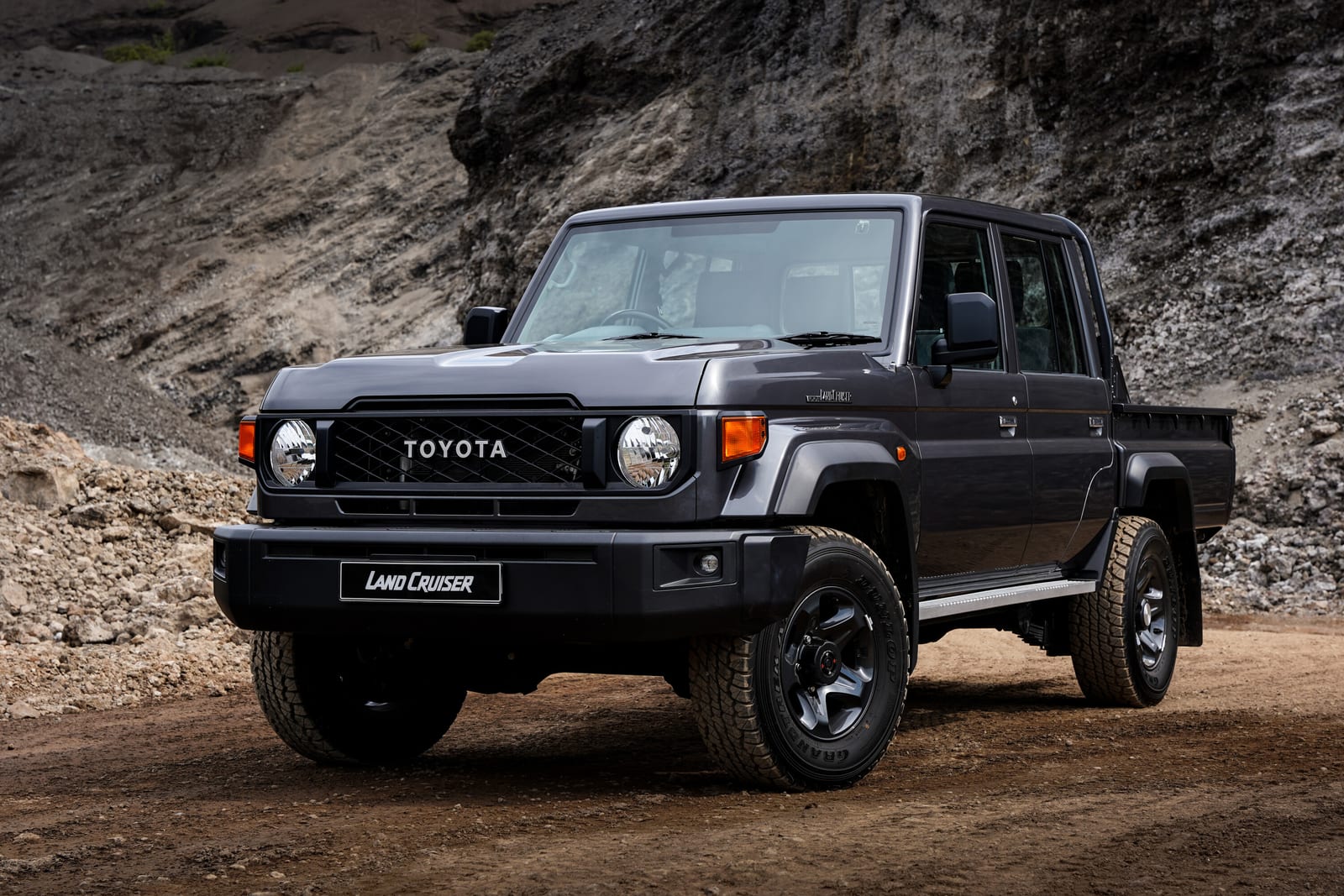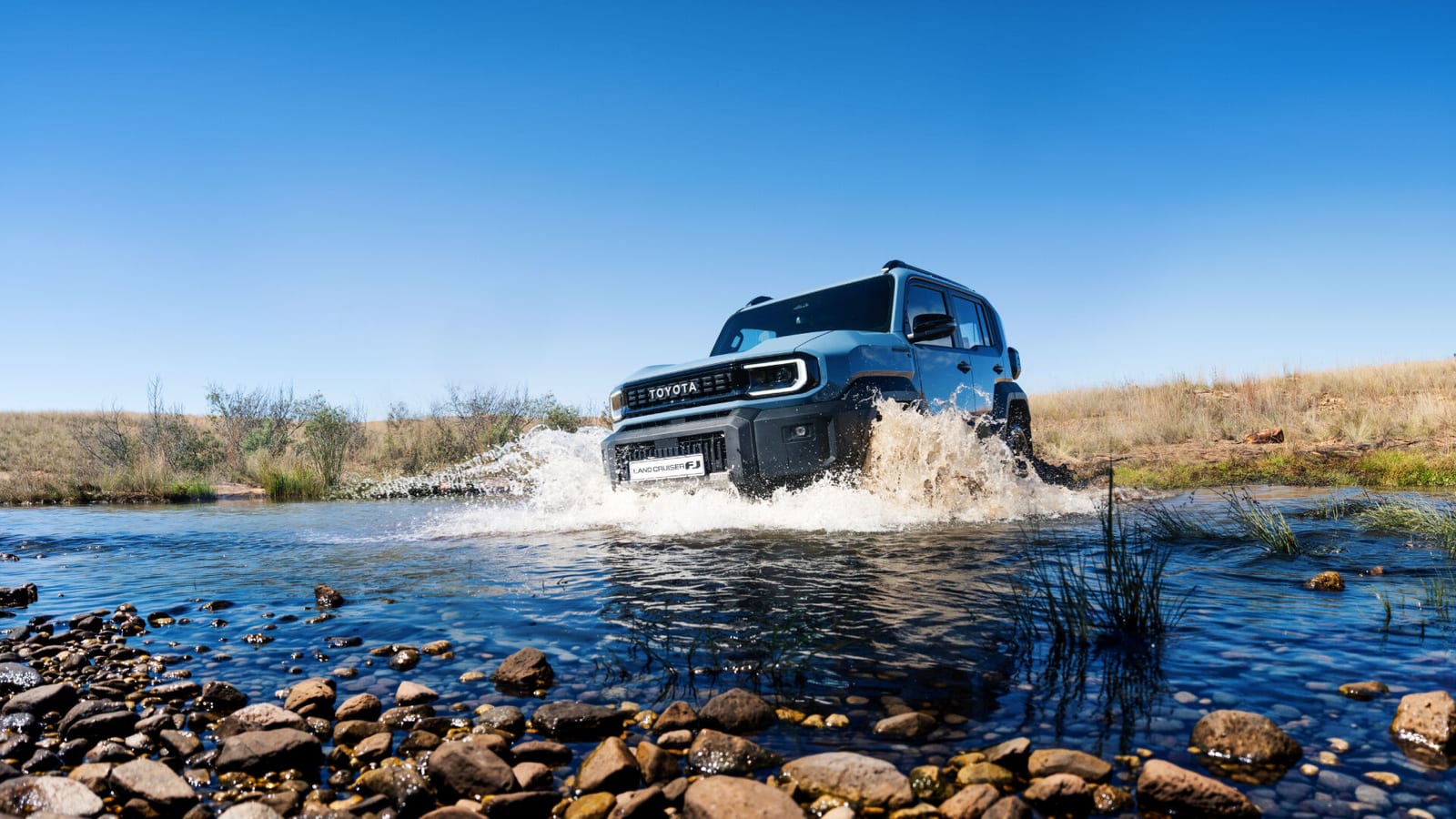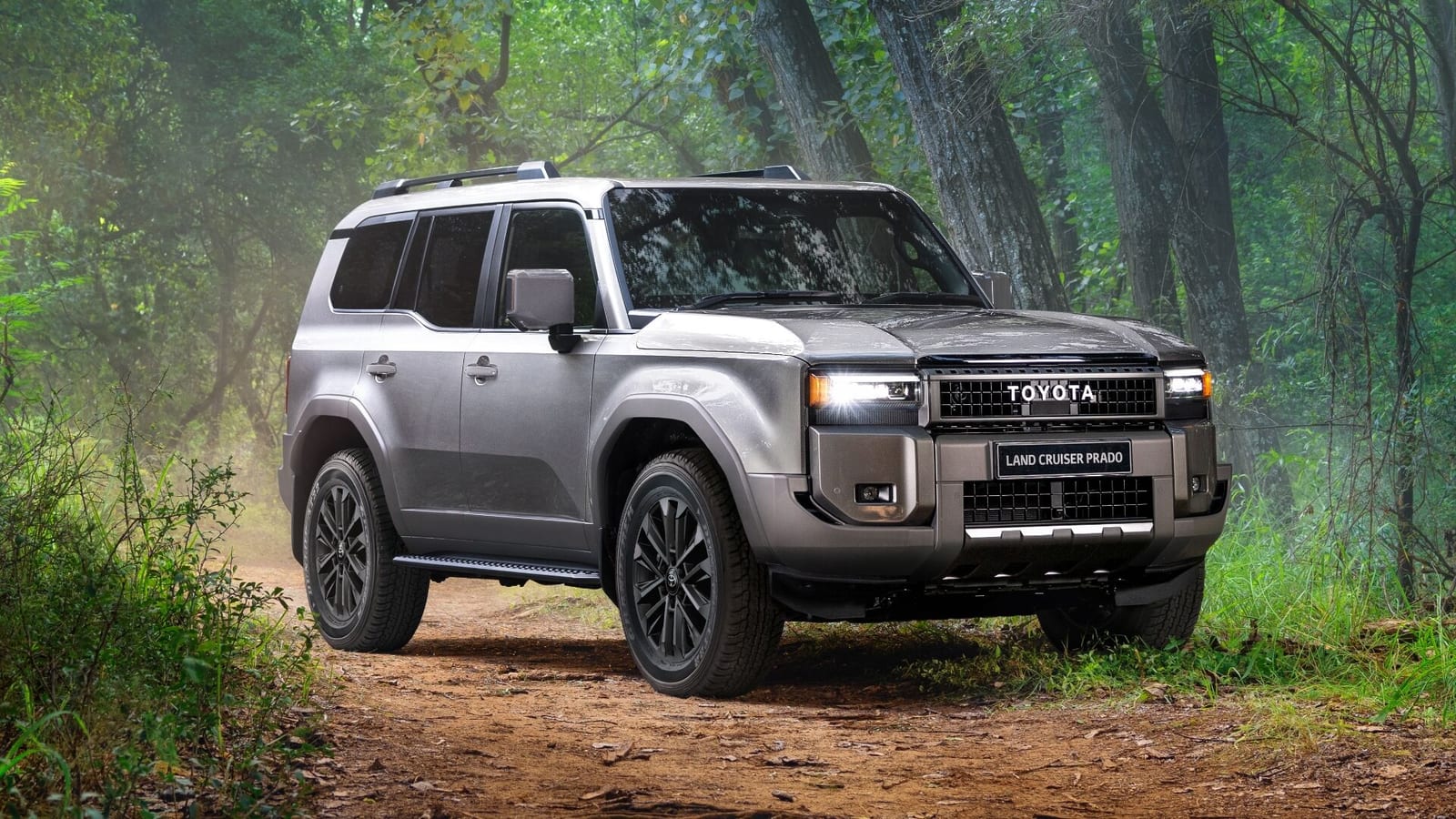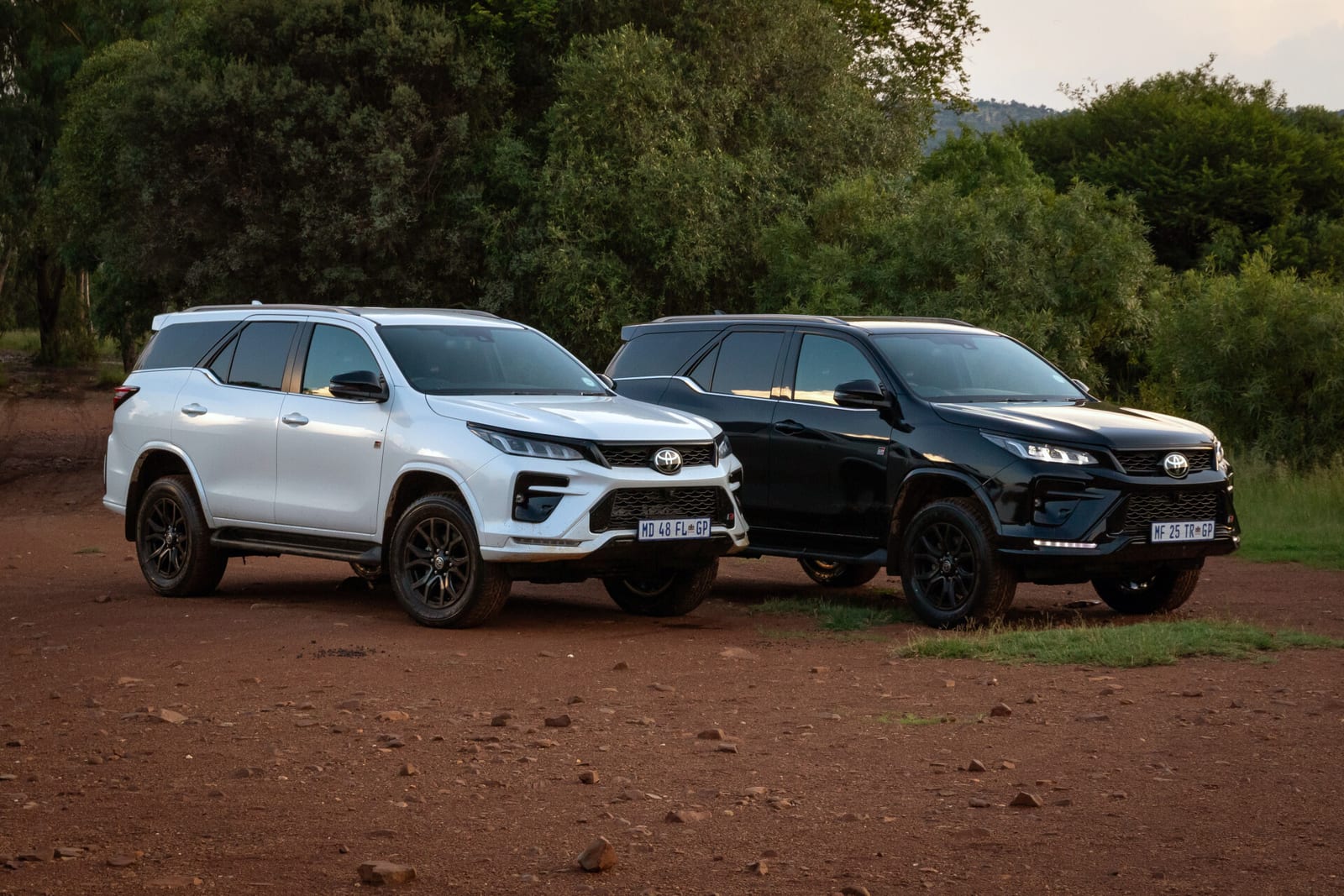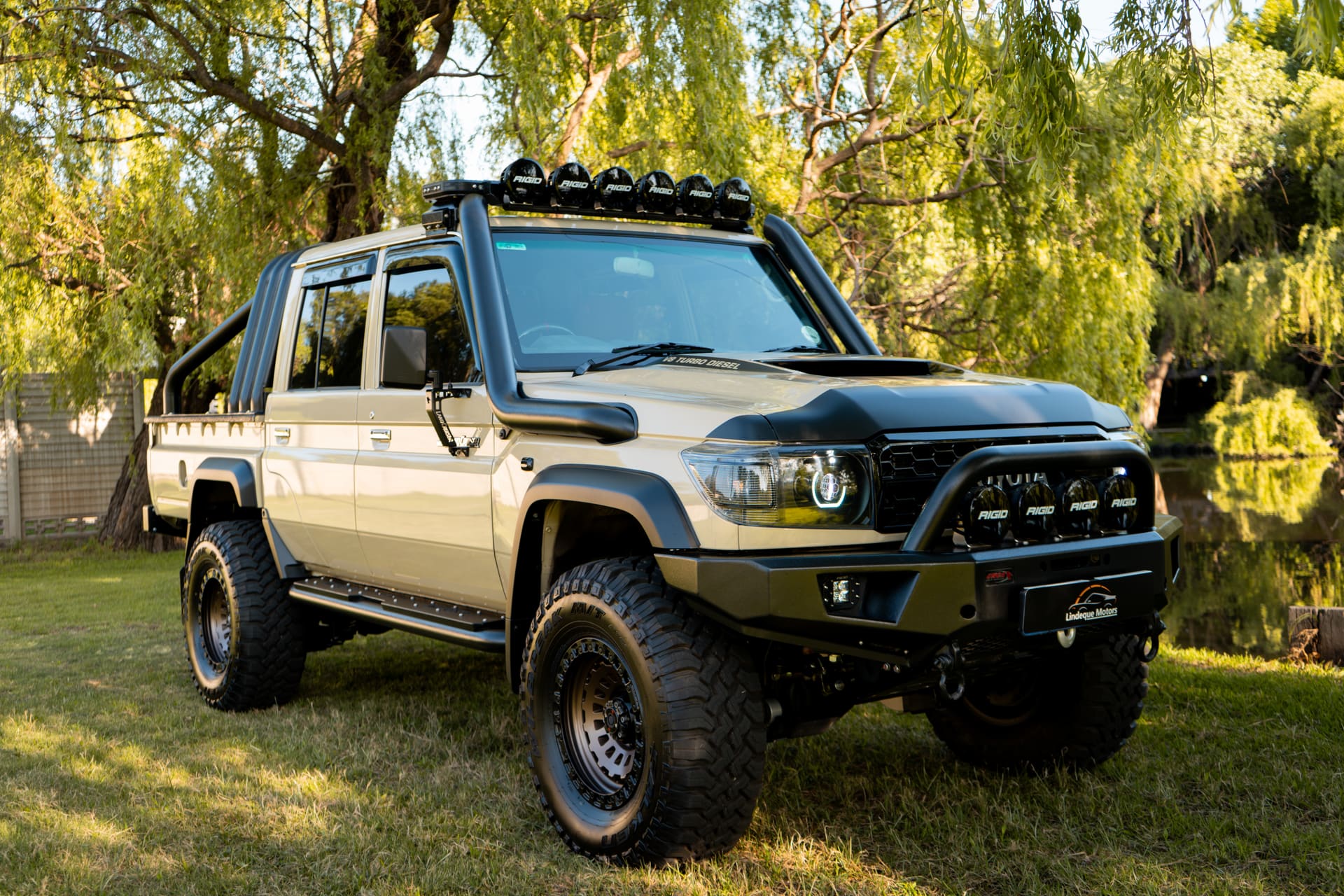
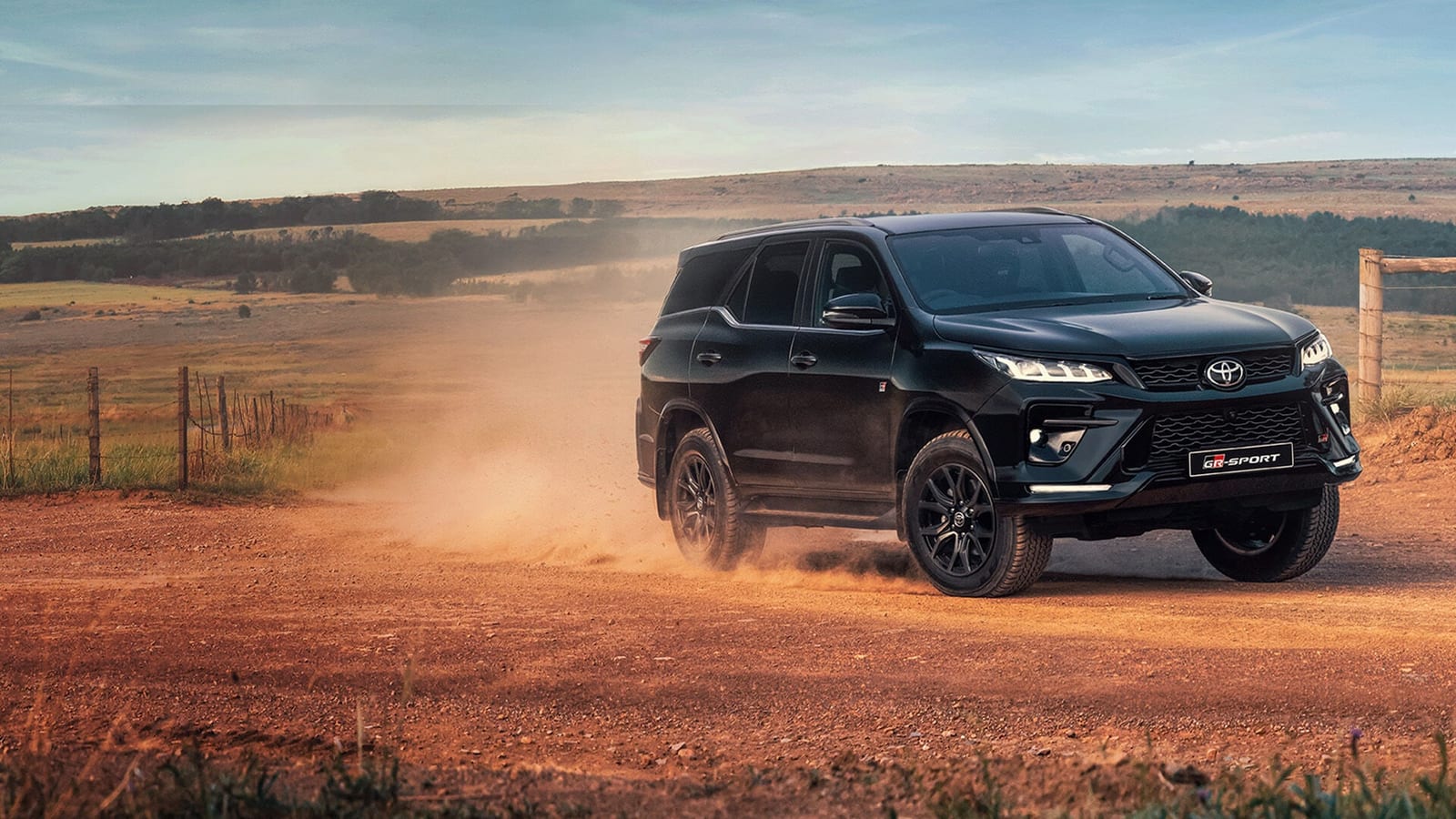
Cover photo: Toyota Fortuner. Photo: Toyota South Africa Motors.
Retail value is what a dealer would sell your car for. Trade value is what a dealer would pay you for it. Market value usually sits between the two, but each insurer works it out its own way.
Ask a dealer what your Hilux is worth and you get one number. Ask your insurer after a hijacking and you get another. Put it up for sale and buyers offer a third.
This guide explains all three. It uses real Land Cruiser numbers from deals on our own site. But the rules are the same for a Polo or a Ranger.
The three values in plain words
| Value | In plain words | Who uses it |
|---|---|---|
| Retail | What a dealer would sell your car for | Dealers selling, insurers on retail cover |
| Market | Usually between retail and trade. Your insurer defines it | Insurers on market cover |
| Trade | What a dealer would pay you for it | Dealers buying, instant cash buyers, insurers on trade cover |
Retail is the price on the dealer’s floor. It covers what the dealer paid for the car. It covers getting it showroom ready. And it covers his profit.
Trade is what the dealer pays to buy your car. The motor trade calls this “book value”, or just “the book”. The book is the dealer price guide TransUnion publishes.
Market is the slippery one. There is no single meaning in South Africa. One insurer calls it a middle figure that the insurer itself defines. Another starts from the retail figure and adjusts it for kilometres, condition and extras. That lands closer to a private-sale price. An Ombud official once even called market value the lowest of the three.
So when someone tells you market value is “the average”, they are only sometimes right. Even insurers and the Ombud have described it differently. Your policy wording decides what it means for you.
Why it matters most when you claim
Most of the time these words don’t matter. Then your car is stolen or written off, and they matter a lot.
South African policies insure your car at retail, market or trade value. Retail pays out the most and costs the most each month. Trade pays the least and costs the least.
After a write-off or theft, the insurer works out the value on the day of the loss. It usually uses the book, adjusted for kilometres and condition. The figure on your policy schedule is a ceiling, not a promise. You get the lower of the two. So insuring for more than the car is worth only costs you premium.
Four traps catch people.
“Retail” means the book, not the adverts. In 2019 the Ombudsman for Short-term Insurance ruled on a stolen 1994 Toyota Conquest. It was insured at retail. The insurer paid R17,000, using TransUnion figures. The owner wanted about R35,000, based on adverts. The Ombud sided with the insurer. The policy said how retail was worked out, and a dealer’s advert price includes his profit. It cuts both ways, though. In an older case, the Ombud stopped an insurer from using adverts to pay less than the book.
An old limit can cap you. A 2013 Hilux was stolen in January 2025. The owner thought he had retail cover. But his policy still carried an old fixed limit of R269,084. The insurer paid about R255,600. His broker later paid him R30,000 after the FAIS Ombud (the ombud for financial advisers) stepped in. Check the value basis and the amount insured at every renewal.
Extras must be listed. A canopy or bull bar that is not on your schedule is not in the payout. This bites kitted 79s and Hiluxes hardest.
Finance gets paid first. On a financed car, the insurer pays the bank first. If you owe more than the payout, you pay the rest. Say the insurer pays R500,000. You still owe the bank R600,000 because of a balloon (a lump sum due at the end of the loan). That leaves you R100,000 short. Shortfall cover (also called gap cover) is meant to fill that hole. But the Ombud has warned that many of these policies skip the balloon. Some do include it, so ask.
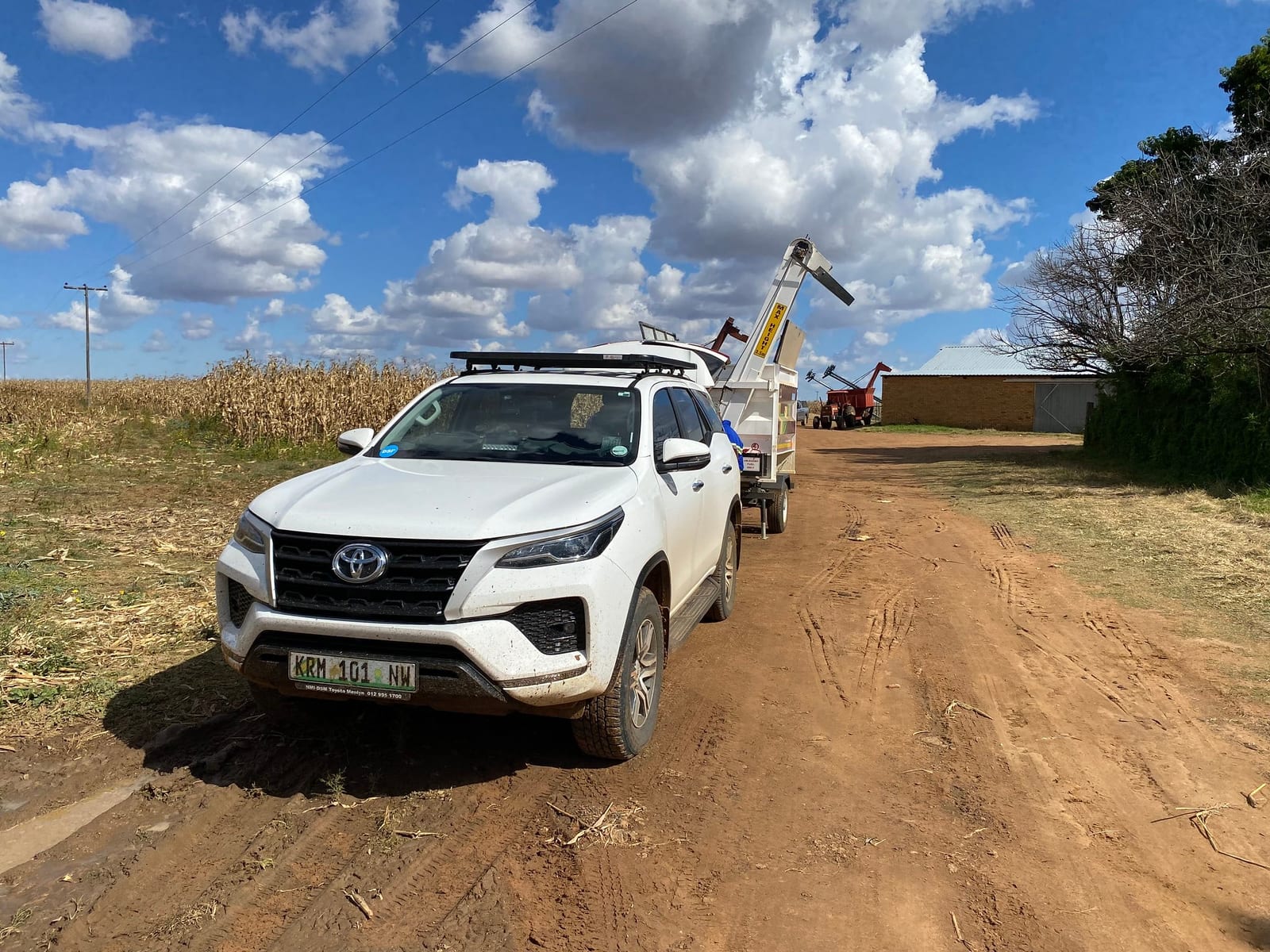
For Toyota owners this is not a box to tick. The Hilux is first on a 2025 list of South Africa’s most-targeted vehicles, and the Fortuner third. One large insurer has demanded a second tracker on some Hilux, Fortuner, Prado and Land Cruiser 200 models. It refused a theft claim when that tracker was missing. For these cars, the likely total loss is a hijacking, not a crash. Our theft and hijacking guide covers the protection side.
Which one to choose:
- Retail. The only basis that roughly buys the same car back from a dealer. It is the right call for a Cruiser, Hilux or Fortuner that thieves want and that holds its value. It costs the most.
- Market. A middle premium. Pick it only once the insurer puts its definition in writing.
- Trade. The cheapest cover and the smallest cheque. It suits an old, paid-off car you could replace cheaply.
- Agreed value. For a modified Cruiser or a classic that the book prices badly. You will need proof of value, which is what a vehicle valuation certificate is for.
Where the numbers come from
The main book is TransUnion’s Auto Dealers’ Guide. Many people still call it “M&M”, after Mead & McGrouther, who first published it in 1960. The printed copy stopped in October 2022. It is digital now. It lists a retail and a trade value for each model. TransUnion says dealers, banks and insurers all use it. The values change every month.
Only the motor trade sees the full guide. You can buy a TransUnion car value report for a small fee. Lightstone also sells dealer and consumer valuations, built from sales that banks financed. Banks and insurers use the same books as dealers.
A private sale is different again. A private seller has no showroom, no reconditioning, no warranty and no margin to cover. So a private price usually lands between trade and retail. A dealer sale also comes with Consumer Protection Act cover. You have six months to return a defective car. Buy privately, and there is usually no comeback.
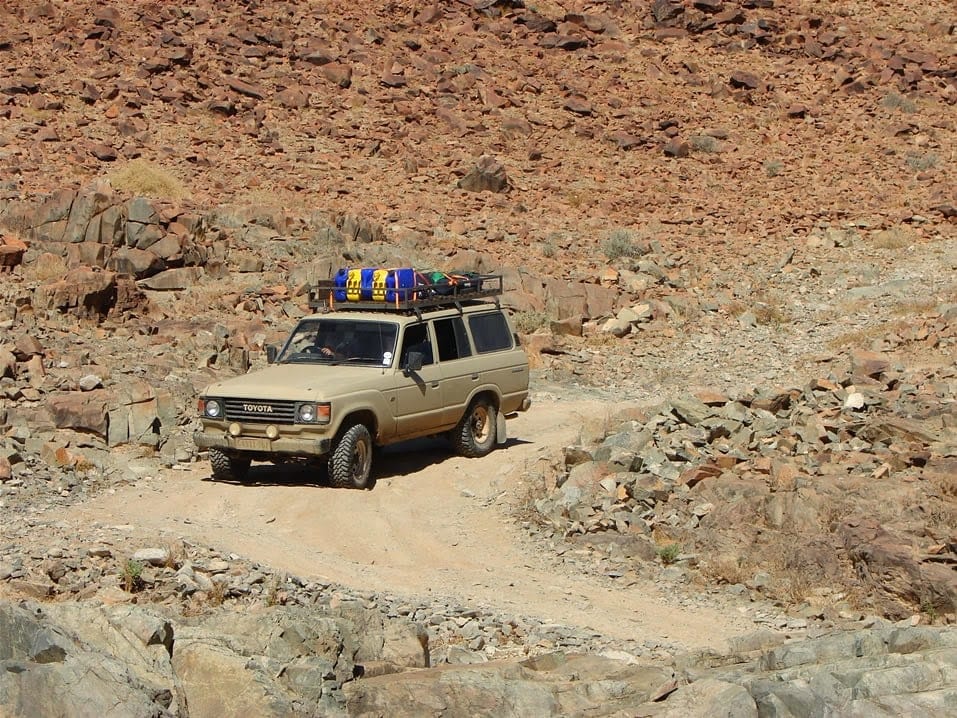
Our view: the book is an average price for an average car. A kitted 79 with a long-range tank and a canopy is not average. Neither is a classic Cruiser. For those, live asking prices and real offers tell you more than the book does.
Asking price vs what a dealer pays: our Land Cruiser numbers
Here are the few deals we have logged on private sellers’ cars on our site. It is not a survey. But it shows the gap between asking and selling better than any theory.
| Vehicle | Asked | Offer or sale | Below ask | Similar cars ask |
|---|---|---|---|---|
| 2023 LC 79 V8 double cab, 65,000 km | R1,325,000 | R938,000 to R1,000,000 (offers, car unseen) | 25% to 29% | R1,199,950 (41 listings) |
| 2024 LC 76 V8, about 17,000 km | R1,690,000 | R1,200,000 (traded in) | 29% | Too few to say (3 listings) |
| 2009 LC 79 single cab, 225,000 km | R475,000 | R400,000 (sold) | 16% | R409,900 (10 listings) |
Similar cars: used ones of the same year and type on live listings, 19 October 2026. For the single cab, 2008 to 2010 models.
Take the 79 double cab. In July 2026, dealers offered R950,000, R938,000 and then R1,000,000 after some pushback. Nobody had seen the car. The best offer was about a quarter below his asking price.
But his ask was high. Used 2023 79 V8 double cabs ask about R1,199,950 (41 listings). So part of the gap was the seller asking above the market. The rest was the dealer’s trade margin. Even so, the best offer was about R200,000 under what similar 79s ask.
The 76 was traded in to a dealer in August 2026. The 2009 single cab tells the other half of the story. Its owner started high and came down. It sold for R400,000 in June 2026, close to where the market sat all along.
For Hilux and Fortuner we only have asking prices, no logged offers. A used 2021 Hilux 2.8 GD-6 double cab asks about R579,900 (132 listings). A used 2021 Fortuner 2.8 GD-6 asks about R519,900 (133 listings). GD-6 is Toyota’s current diesel engine family. Browse them on our Hilux and Fortuner pages.
Three ways to sell, from quickest to best paid:
- An instant cash buyer. The fastest and the lowest. The offer is only firm once they have inspected the car.
- A dealer trade-in. Easy, and a trade number by design. The gap pays for prep, time on the floor and his margin. That is business, not a scam. Watch one trick, though. A big trade-in figure can be paid for with a smaller discount on the car you buy. Compare the final cash you pay on each deal.
- A private sale. Usually the most money. Also the most schlep: time-wasters, safe viewings, and you settle the bank yourself.
How to find your own car’s value
Own a Land Cruiser, Hilux or Fortuner? Use our free valuation tool. It shows what similar cars ask on live listings, and a realistic selling range. It is not your insurance value, and it is not the TransUnion figure. Over 600 valuations have been run on it since June.
For any other car:
- Ask your insurer or broker which basis they use, and what figure.
- Buy a TransUnion or Lightstone report for a small fee.
- Check live adverts for the same year and kilometres. Then knock a bit off, because asking prices are not selling prices.
Need the value on paper? That happens with agreed-value cover, a deceased estate, a divorce or a dispute. Our valuation certificate guide explains how.
Three things to do at your next renewal:
- Check the value basis and the amount insured on your schedule.
- List your extras: canopy, bar, drawers, long-range tank.
- Ask if your shortfall cover includes the balloon.
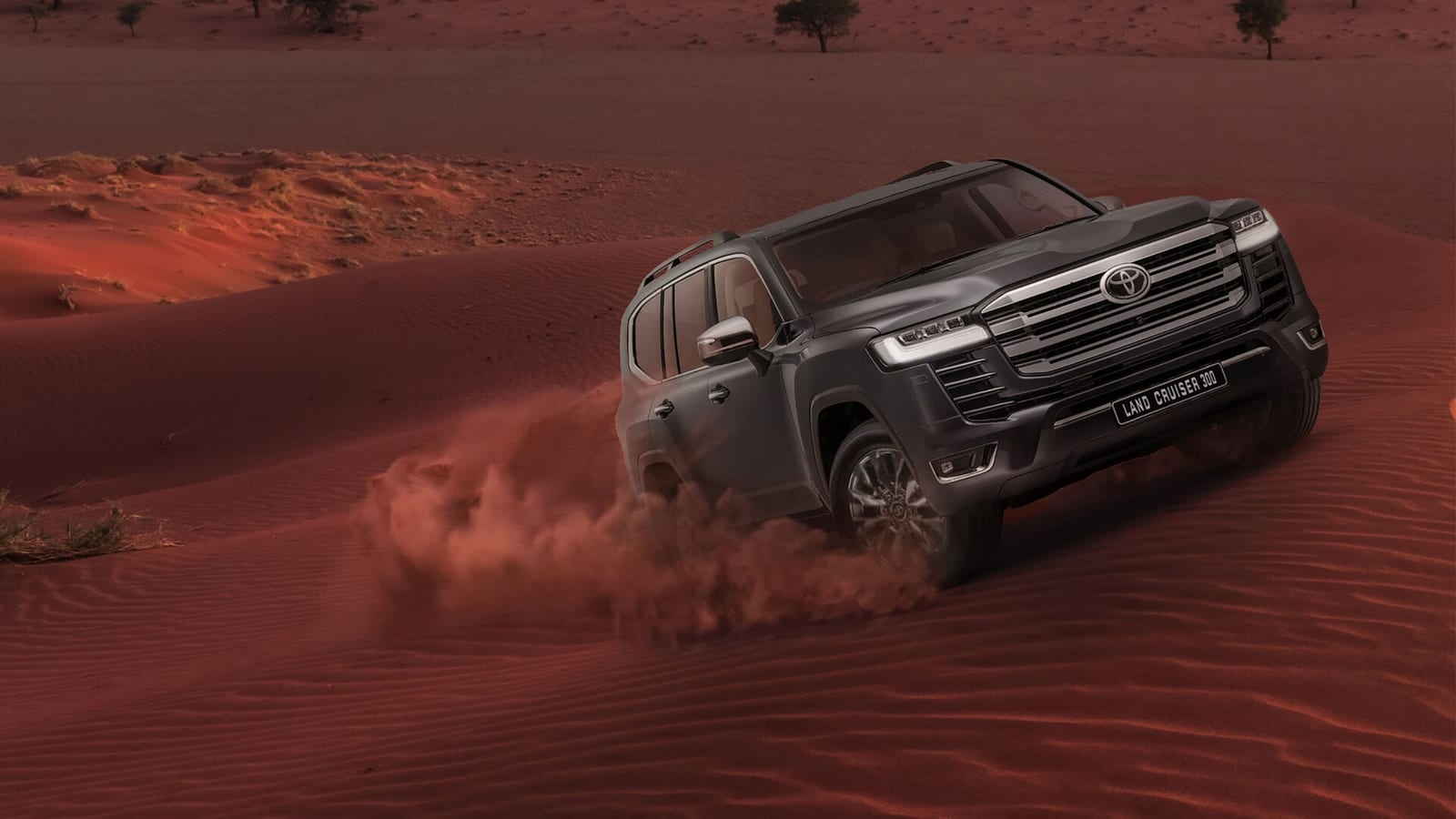
Thanks to Toyota South Africa Motors, Hannes Jansen van Rensburg, Edward Middleton and Lex Faure for the photos.
About the data: asking prices are typical asking prices on live listings tracked daily by Land Cruiser SA. They cover used vehicles only (5,000 km and up), on 19 October 2026. The number of listings sits beside each one. Dealer offers and sale prices come from deals on our own private sellers’ listings in 2026.